
Wall Insulation
How to Insulate Walls in a Polish Home
A breakdown of ETICS systems, mineral wool, and EPS boards — with U-value targets required under Polish building standards.
Independent reference on wall insulation, roof heat loss, and energy-efficient windows for homes across Poland.

Updated guides on insulation, glazing, and heat management.
A breakdown of ETICS systems, mineral wool, and EPS boards — with U-value targets required under Polish building standards.
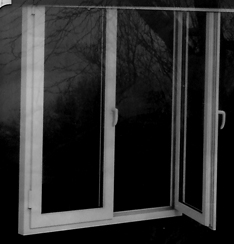
Triple glazing versus double glazing, frame material comparison, and what Uw values to look for when replacing windows in Central European climates.

Up to 25% of a home's heat escapes through an under-insulated roof. Here is how to select materials and achieve the right thickness for Polish winter conditions.
Polish winters are long and cold. Well-insulated buildings use significantly less energy to maintain comfortable temperatures.
A complete thermal envelope — walls, roof, floor, and windows — prevents heat bridges and uncontrolled air leakage that drive up heating costs.
Buildings with upgraded insulation in Poland have recorded reductions in annual heating demand of between 30% and 60%, depending on pre-renovation state.
Polish regulations (WT 2021) set maximum U-values of 0.20 W/(m²K) for external walls and 0.15 W/(m²K) for roofs in new construction.
EPS, mineral wool, PIR, and cellulose each have different lambda values, fire classifications, and moisture behaviour relevant to local climate conditions.
Window Uw values below 0.9 W/(m²K) are now standard for energy-efficient renovation. Argon-filled triple glazing is increasingly common in Polish climates.
The Czyste Powietrze programme covers partial costs of insulation and window replacement. Subsidies of up to PLN 135,000 are available for comprehensive retrofits.
Have a specific query about your home's insulation? Fill in the form below.